 I Done This
Focus · 4 min read
25 Jason Fried Quotes That Will Make You More Productive
25 of the best quotes about productivity, focus, and work-life balance from Basecamp CEO Jason Fried.
There’s a lot of people out there trying to sell you simple solutions to productivity, as well as their advice, usually involving their latest book, podcast, or video series. They might not be millionaires, but they’ve found the secret to making millions — order now!
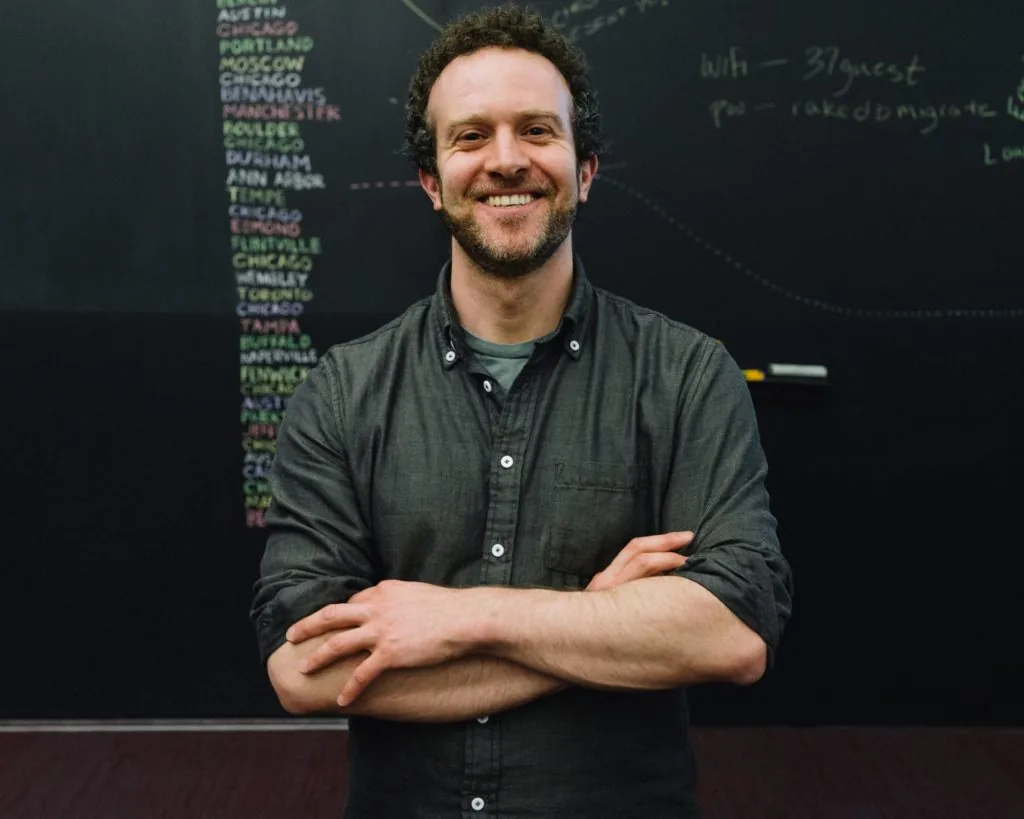
Jason Fried, CEO of Basecamp — a company that makes project management and communication software — is different. Fried is honest about what it takes to get work done and keep your sanity while doing it. He’s the author of several books, including It Doesn’t Have to Be Crazy at Work; Rework; and Remote: Office Not Required.
Fried has earned the trust of many because of his straightforward takes on productivity and the unhealthy sacrifices some people make in an attempt to get more done. If you want to work smarter, not harder, listen to Jason Fried.
Here are 25 of his best quotes on productivity, focus, and decision-making.
Work smart, not hard
Jason Fried’s advice stands out because he advocates for a healthy approach to work. Overwork is a consistent problem in the tech industry, and it often earns Fried’s ire. Rather than spending hundreds of hours a week on your job, your side hustle, and your passion projects, Fried advises you to work smart, not hard. He says this not only to keep you from getting exhausted — though that’s important, too — but to enable you to focus on what really matters.
1. “Workaholics aren’t heroes. They don’t save the day, they just use it up. The real hero is home because she figured out a faster way.”
2. “Working without a plan may seem scary. But blindly following a plan that has no relationship with reality is even scarier.”
3. “Find a judo solution, one that delivers maximum efficiency with minimum effort. When good enough gets the job done, go for it.”
4. “What I like about the GTD [Get Things Done] is that it forces you to really figure out what you really need to do. And this whole thing about knowing what you don’t need to do right now, like Someday/Maybe — I like that but, in general, I’m not a big fan of set systems as I think people are sometimes too religious about them. And they become so enamored with the system itself that they actually create more work for themselves because they have this system they want to fill up with things to do.”
5. “If you have a bookshelf, you have to fill it with books. If you have getting-things-done-like system, you have to fill it with tasks. So sometimes you create more work for yourself than you actually have to. That’s been my experience. I like forcing myself to not keep track of everything. If I don’t have a system in place, I can’t remember a lot of things, so I tend to have only a few things that I need to do. I don’t have day-long lists, I have short lists.”
Get focused and stay focused
Distractions are a productivity killer. Without focus, it’s impossible to immerse yourself in deep work, and build up enough momentum to get a lot done. Jason Fried’s approach to focus isn’t about discipline, but about making hard decisions about your priorities. There’s a lot to worry about in the working world, but if your focus is split, you’ll never get anything done. The better you can figure out what motivates you, the more you can organize your work around your goals.
6. “Figure out what objects and places inspire you and immerse yourself in them. Pay attention to those details. Then, instead of imitating competitors, you just might find your voice.”
7. “We aim to do a good job. Because that’s the satisfaction of putting in a good day’s work, and then you line up a bunch of good days in a row and then you have something there. You’re excited about the work, and sometimes you think you’re really onto something and you’re motivated by that. But that’s all intrinsic motivation. It’s not some number, some target you’re supposed to hit for someone else for some other reason. I’ve never been driven by that, really. I don’t think it’s really healthy.”
8. “If you’re opening a hot dog stand, you could worry about the condiments, the cart, the name, the decoration. But the first thing you should worry about is the hot dog. The hot dogs are the epicenter. Everything else is secondary.”
9. “Instead of saying “Yes, we’ll do that also,” you have to practice saying “Sure, we can do that instead.” “Or” always forces a choice, and that’s a good thing.”