The Ultimate Guide to Awesome Meetings
Meetings are terrible. But they don't have to be. We teamed up with Do.com to create this free eBook on how to make meetings better and more productive.

I Done This library · preserved by Oz
Original voices. Dates where recovered. The work lives on.
796 recovered articles from I Done This, preserved with their original text and available media as I Done This becomes part of Oz. Plus 9 new evidence-backed guides from Oz.
Archive page 27 of 34
Meetings are terrible. But they don't have to be. We teamed up with Do.com to create this free eBook on how to make meetings better and more productive.
We use two modes of thinking: fast thinking and slow thinking. Here's how slow thinking will reduce your stress and help you make better decisions.
Often considered an obstacle to getting things done, emotions work to help us reason and thrive. Without emotions, you couldn't make good decisions.
The happiest people balance busy schedules by not feeling rushed. Attain this by overcoming the inclination to enjoy busyness for more than it’s worth.
The transparency paradox arises when there's no trust and autonomy, benefiting the manager’s curiosity instead of equipping employees to do their best work.
While top performers should be best equipped to handle performance pressure, the curious paradox is that they might be the most prone to buckling.
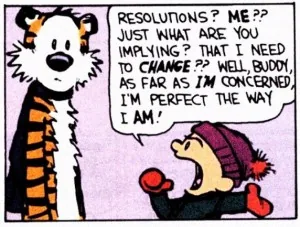
Most New Year's resolutions fail, but that's OK. Here's the science of why resolutions still make sense, how to make them stick, and why it’s okay to fail.
For Amazon’s Jeff Bezos, success isn’t a race to the top. It’s an adventure. Here's why the explorer mentality has been so critical to his success.
Here's a simple trick to achieving your goals without incredible doses of willpower or remarkable motivation.
Today, it’s company culture that creates marketing messages that spread. It’s the secret sauce that’s impossible to replicate. Here's why.
Virtusize helps clothes shoppers on the web find the right size by comparing measurements to clothes they already own. Here's how they grow their business.
Daily practice is the key to improve productivity. Doug Lemov explains this in depth in his book Practice Perfect
Innovative Google employees have a strong sense of autonomy, not fancy pedigrees, per Google people analytics.
Marc Andreessen’s surprising procrastination antidote to super-productive superpowers and 5 more of the best links from around the web on productivity.
Artist Christoph Niemann about making his first app and the creativity struggle: being the artist and the editor at the same time.
The challenge of knowledge worker management is that so much of knowledge work takes place in our heads and out of sight. Here's how managers can cope.
The Perks of Considering Your Plan "Dead" Sometimes the sheer clarity of hindsight is like life’s annoying way of saying, “I told you so!” Looking in the rearview mirror to see what went wrong is...
Chances are slim that your resolutions will last. Here's how to make them stick based on the science of resolutions
Productivity is really about how you and your brain work. Gregory Ciotti‘s collaboration with ASAPScience yields a fascinating video on the science of productivity, giving a quick look at willpower, energy management, and effective work habits like documenting your progress. Productively intrigued? Check out Greg’s ful
AsapSCIENCE explains the science of procrastination - and how to manage your brain wanting to do fun stuff now.
Here's everything we've learned about content marketing from making our first $10,000.
Half of your job is doing your work, the other half is communicating that it's been done. Working with people is hard, that's why communicating is essential
A growing body of research suggests that paying attention to the body clock, and its effects on energy and alertness, can help pinpoint the different times of day when most of us perform our best at specific tasks, from resolving conflicts to thinking creatively. Sue Shellenbarger explores The Peak Time for Everything
Teresa Norton writes at HBR about how a simple exercise called the story spine can help you get unstuck and make change while “living truthfully” at work. The story spine is a narrative tool created by playwright, improviser, and theater educator Kenn Adams used to craft well-structured stories. As Norton’s post shows,